How to Explain Heat Pumps to Homeowners (Without Losing Them)
The short version
Heat pump sales depend on customer education. The homeowner who understands it heats AND cools from one unit, reduces bills 30-50%, and qualifies for federal tax credits is far more likely to choose the heat pump over the furnace+AC combo.
Customer gets two options: furnace+AC at $8,500 or heat pump at $11,200. "What's a heat pump?"
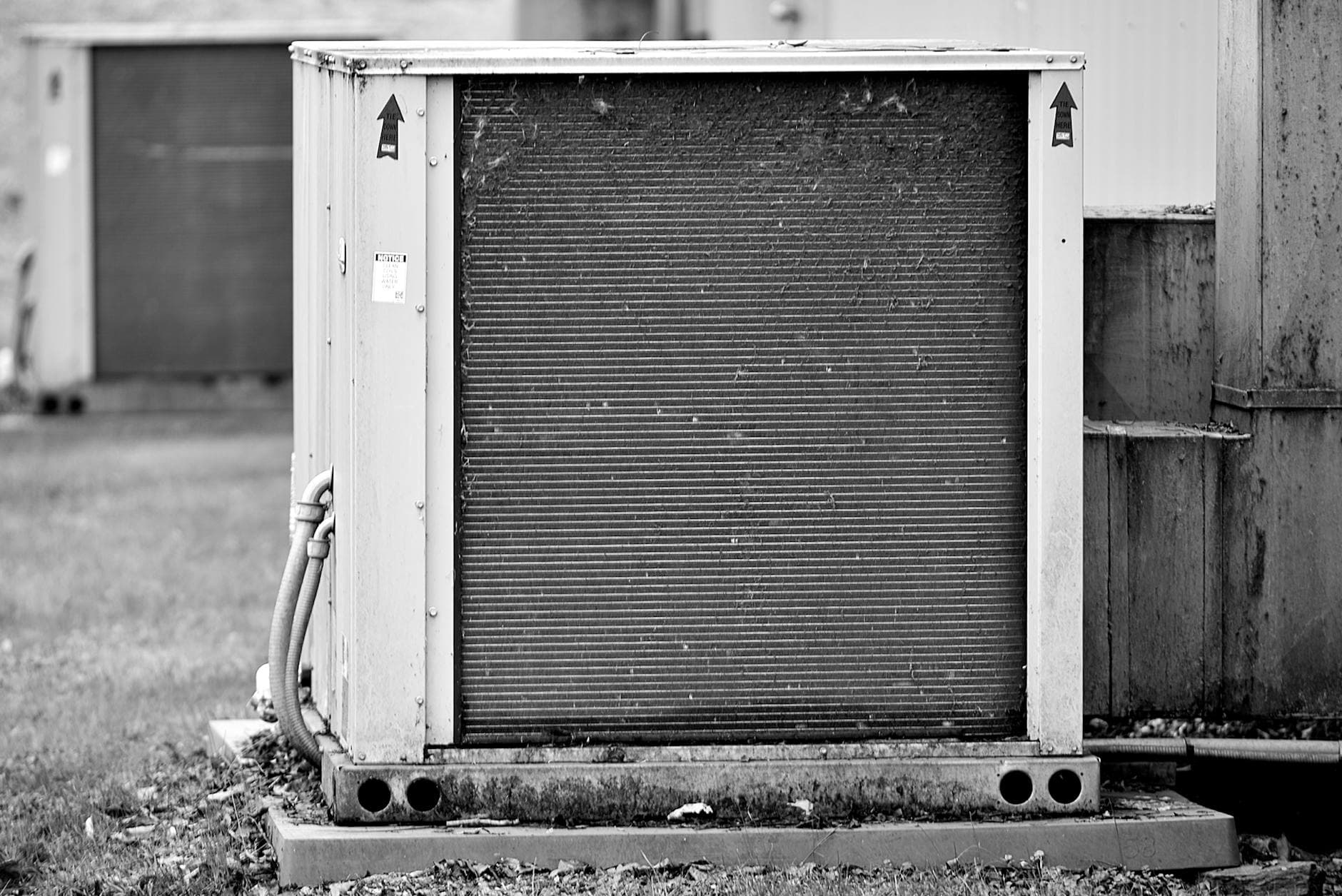
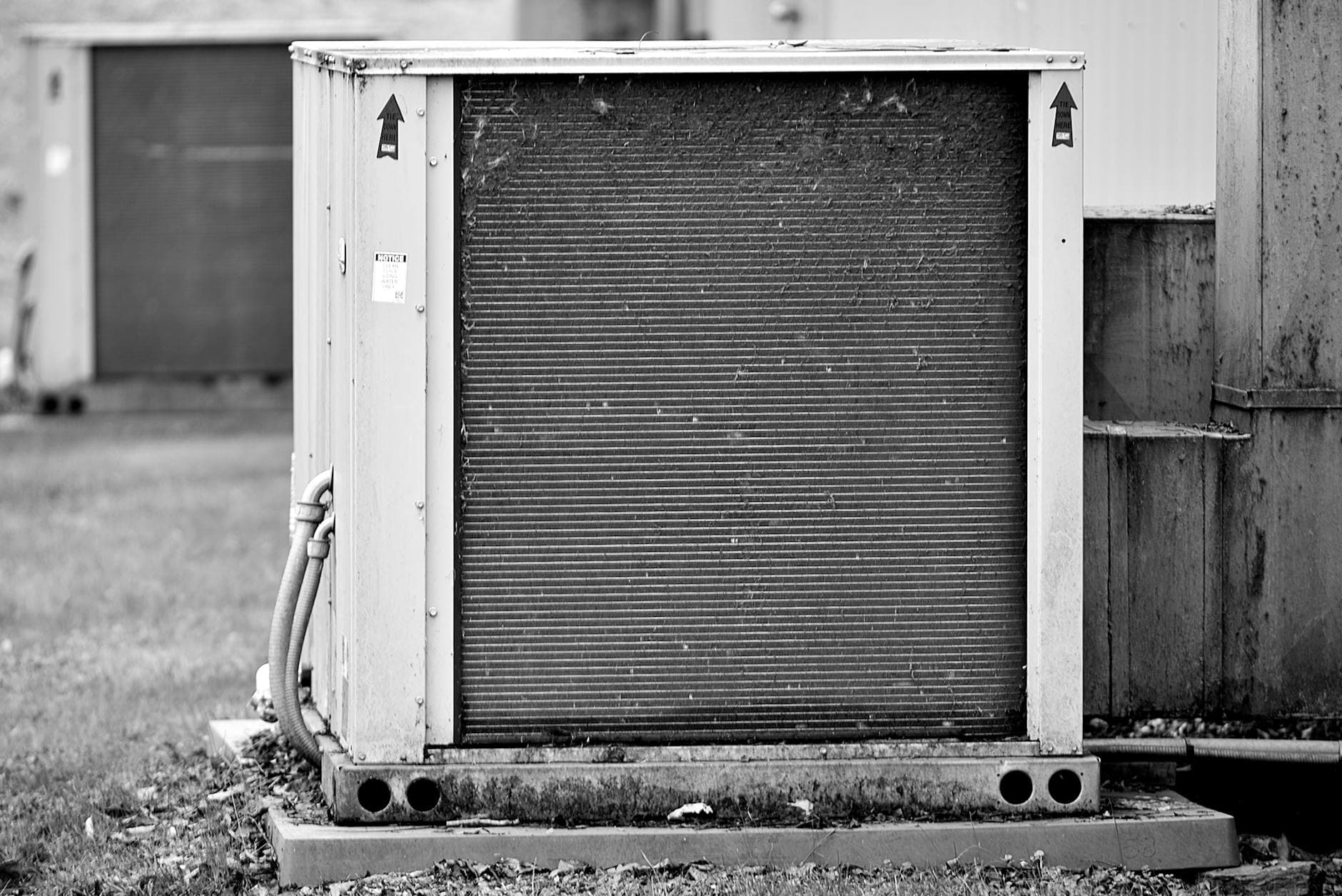
The two-minute explanation: "You know how your AC works — takes heat from inside and pushes it outside. A heat pump does that in summer. In winter, it reverses — pulls heat from outside air and moves it inside. One unit, year-round, more efficient because it moves heat instead of creating it."
Present three numbers side by side: upfront cost, tax credit, and 5-year total. The heat pump usually wins.
Cold-climate objection: name the model and its temperature rating. Specifics beat generalities.
Trikkl for HVAC handles quote follow-ups with the tax credit mention in the configurable line. At $15/month.
Written by Jordan Hayes, Trikkl. Updated May 2026.
Frequently asked questions
How to explain a heat pump simply?+
'An air conditioner that runs in reverse. Summer: cools your house. Winter: pulls heat from outside air and moves it inside. One unit, year-round.'
Main customer objection?+
Upfront cost. Counter: federal tax credit (up to $2,000) + $500-1,200/year utility savings. Break-even in 3-5 years.
Do they work in cold climates?+
Modern cold-climate models work to -15°F to -20°F. Name the specific model and its rated temperature.
How to present the option?+
Side by side: upfront cost, tax credit, year-1 cost, year-5 cost, year-10 cost. Heat pump usually wins on the 5-year view.
Should every tech be trained?+
Yes. Heat pumps outsold furnaces for the first time. A tech who can't explain loses $11,000 installs.
'But what if it gets really cold?'+
Name the specific model: 'The Mitsubishi Hyper-Heat is rated to -13°F. Last winter hit [local low]. The system handles that with room to spare.'

Written by
Jordan HayesField Operations Lead, Trikkl
Jordan spent eight years running a 12-truck landscaping company in the Pacific Northwest before joining Trikkl to help build tools for crews just like the one he used to run. He writes about the operational systems that separate growing lawn care businesses from stuck ones.