How to Upsell Lawn Care Services Without Being Pushy
The short version
Every weekly mowing customer is a candidate for 3-5 seasonal add-on services worth $300-1,500 each. The cross-sell that converts: a seasonal text 4-6 weeks before the service window naming the specific benefit.
A lawn care company with 60 weekly mowing customers is sitting on $18,000-90,000 in upsell revenue that they never mention. Every one of those 60 customers needs mulch in spring, aeration in fall, and at least one seasonal cleanup. Most would add fertilization if someone explained why. A few would love landscape lighting.
Nobody mentions any of it because the crew is focused on mowing and the owner is focused on scheduling. The upsell happens by accident (the customer asks) instead of by system (you offer).
The seasonal upsell calendar
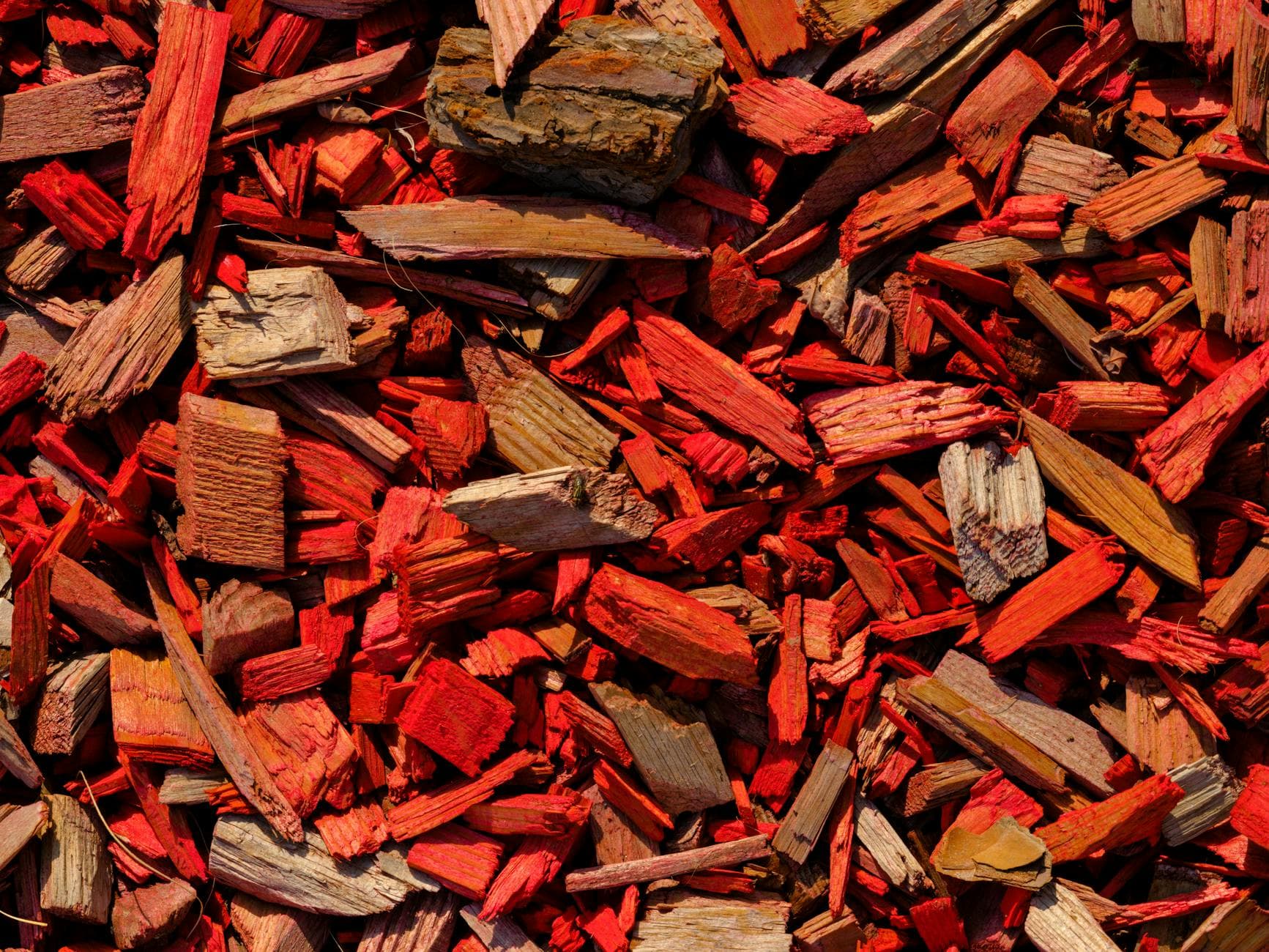
March-April: Mulch and bed maintenance ($200-600). "Spring's here — your beds are due for fresh mulch and edge cleanup. We can add it to your next mow visit. $[price] for the front beds, $[price] for front and back. Want me to schedule it?"
April-May: Fertilization program start ($300-600/year). "Your lawn would benefit from a fertilization program — 4-6 applications through the season that keep it green and thick. $[price] for the year, first application next visit. Want the details?"
August-September: Core aeration ($100-250). "Your lawn took some compaction from summer traffic and heat. Core aeration this fall loosens the soil, reduces thatch, and helps the turf thicken up by next spring. $[price], takes about an hour. Want me to add it?"
September: Overseeding ($150-300). "After aeration is the best time to overseed — the seeds drop into the aeration holes and germinate faster. Fills in thin spots and thickens the entire lawn. $[price] added to the aeration. Want both?"
October-November: Leaf removal ($200-400). "Leaf season's starting. Weekly leaf cleanup or a one-time end-of-season removal? $[price]/visit for weekly or $[price] for the full cleanup."
September-October: Landscape lighting ($500-3,000). "Fall's a great time to install landscape lighting before the holidays — path lights, uplighting on trees, accent lights on the house. Adds curb appeal and security. Want me to send a design estimate?"
Why text beats in-person for upsells
The crew chief is mowing, trimming, and edging. They're sweating, wearing hearing protection, and working on a schedule. Stopping to pitch aeration to a homeowner who may or may not be home isn't realistic.
A text, sent from the office 4-6 weeks before the service window, reaches the customer when they have time to think about it. They read it at breakfast, consider it over the weekend, and reply "yeah, add the aeration." The conversion rate on a well-timed text is 15-25% — significantly higher than a verbal mention from a sweaty crew chief.
The follow-up
One bump two weeks after the initial text, for customers who didn't respond:
"Hey — just a quick reminder about fall aeration. We're booking September now and spots are filling. $[price], takes about an hour, makes a big difference by spring. Let me know if you want to get on the schedule."
After the bump, stop. Two texts per upsell is the maximum. Customers who ignore both aren't interested this season.
The math
60 weekly customers × 20% average upsell rate × $250 average service value = $3,000 per seasonal campaign.
Four campaigns per year (mulch, aeration, leaf removal, one wildcard) = $12,000 in annual upsell revenue from the existing customer base. Zero acquisition cost. Zero additional marketing spend. Just the right text at the right time.
Building the system
Trikkl for lawn care handles seasonal upsell campaigns as part of the rebooking engine — pre-scheduled texts for mulch, aeration, leaf removal, and other seasonal services. The system fires the right campaign at the right time each year without manual planning. At $15/month, it pays for itself on the first aeration booking.
Written by Jordan Hayes, Trikkl. Updated May 2026. More for landscapers: turning one spring cleanup into a year of work and how to raise lawn care prices.
Frequently asked questions
What services can be upsold to weekly mowing customers?+
Mulch and bed maintenance ($200-600), core aeration ($100-250), overseeding ($150-300), fertilization programs ($300-600/year), spring/fall cleanups ($200-500), leaf removal ($200-400), landscape lighting ($500-3,000), and irrigation winterization ($100-200).
When is the best time to pitch each upsell?+
Mulch: March-April. Aeration: August-September. Overseeding: September. Fertilization: March (program start). Leaf removal: October. Landscape lighting: September-October (before holidays). Each pitch lands 4-6 weeks before the service window.
How do I mention upsells without being pushy?+
Reference the lawn's condition: 'Your lawn's looking a bit compacted from summer traffic — core aeration this fall would loosen the soil and help the turf thicken up by spring. It's $[price] and takes about an hour. Want me to add it?' Observation-based, not sales-based.
Should upsell pitches go by text or in person?+
Text. The crew is focused on mowing and rarely has the customer's attention for a conversation. A well-timed text with a specific observation lands better and gives the customer time to think about it.
What close rate is realistic on lawn care upsells?+
15-25% of weekly customers add at least one seasonal service when pitched via text. Higher for low-cost services (aeration at $150) than high-cost (landscape lighting at $2,000).
Should I follow up if the customer doesn't respond to the upsell text?+
One follow-up two weeks later is fine. 'Hey — just a bump on the aeration. We're booking September now. Let me know if you want to get on the list.' After that, don't push further.

Written by
Jordan HayesField Operations Lead, Trikkl
Jordan spent eight years running a 12-truck landscaping company in the Pacific Northwest before joining Trikkl to help build tools for crews just like the one he used to run. He writes about the operational systems that separate growing lawn care businesses from stuck ones.